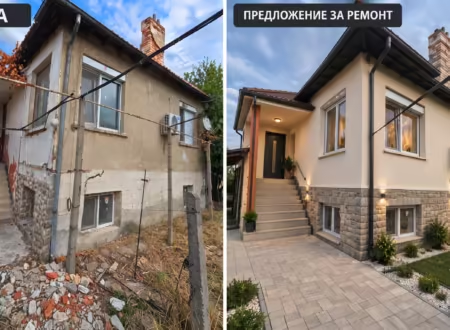
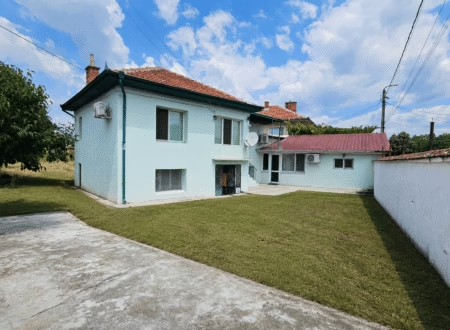
New Build or Older Building?
The first viewing often gives a clear emotional answer. A new apartment impresses with clean common areas, a lift, a contemporary look and the sense that everything starts with you. A home in an older building can win you over with high ceilings, mature trees outside the window and an address that is hard to find among new developments. Still, the choice between a new build and an older building is not settled at the viewing. It is a choice between different qualities, costs, timelines and ways of living.
There is no universally right option. A property that is ideal for a young family who need predictable costs may not suit a buyer for whom a central location and the character of the building come first. A good decision starts with clear criteria, not with a preference for a particular year of construction.
New build or older building: what you are actually comparing
The comparison is not simply between new and old. With a new build, you assess the design, the developer, the stage of completion, the quality of workmanship and the surroundings of the building. With an older property, the key factors are the structure, how well it has been maintained over the years, the common areas, the building services and the legal status.
The year of construction does not determine quality on its own. A well-maintained building from the 1970s or 1990s can be a better choice than a new project with cheap materials, a poor layout or too little space between neighbouring blocks. Likewise, a new building with careful planning, good energy efficiency and proper documentation can offer a peace of mind that an older property would only reach after significant additional investment.
What you get with a new build
The most visible advantage is a contemporary standard of living. In many new buildings, layouts reflect how people live today: an open-plan living room and kitchen, more natural light, storage space, better bathrooms, and underground or open-air parking. A lift, access control and newer common areas also matter to families with young children, older people and buyers thinking long term.
Energy efficiency is another important factor. Good thermal insulation, new windows and modern heating systems can lower running costs and improve comfort in every season. This should not be taken as an automatic promise. Ask for information about the materials used, the heating and cooling systems, the technical specifications of the building and the planned common areas.
Buying off-plan sometimes lets you choose the floor, the orientation, the parking space and the interior finishes. In some cases the price is paid in instalments as construction progresses, which can make financial planning easier. The trade-off is a waiting period and the risk that the finished result will differ from the renderings or from your initial expectations.
Infrastructure deserves particular attention. New neighbourhoods and complexes often develop quickly, but amenities do not always arrive at the same time as the first residents. Check access to public transport, schools, nurseries, shops, parks, medical care and the road network. In Plovdiv, for example, the difference between a good location in an established area and a new zone still under development can noticeably affect both daily life and the property’s future resale prospects.
Risks of buying before completion
Until a property has been granted a permit for use, the buyer cannot fully assess the noise, the light, the view, the quality of workmanship or the real feel of the space. This is why the documents and contract terms carry particular weight. They should clearly state deadlines, payment stages, floor areas, the level of finish, responsibilities in case of delay and the conditions for transfer of ownership.
Professional document checks and coordination with a lawyer are a sensible part of the process, not an unnecessary formality. If you are buying with a mortgage, align the terms of the preliminary contract with the actual requirements of your chosen bank.
The strengths of an older building
Older housing stock often offers something hard to achieve in new projects: an established urban setting. The property may be within walking distance of the centre, a park, a school, cultural venues and places of work. The area is already built up, so it is easier to judge the traffic, the neighbours, parking options and the pace of life.
In some older buildings you will find more spacious rooms, higher ceilings and more clearly separated living areas. These qualities matter to people who work from home or do not want to compromise on the size of the living room and bedrooms. Renovating lets you adapt the home to your own taste, rather than paying for ready-made finishes you would not have chosen yourself.
There is also an investment angle. Homes in stable, sought-after areas with limited new supply can remain attractive to both tenants and future buyers. This depends, however, on the specific property, its condition and the purchase price, not only on a good address.
What not to underestimate with an older property
Behind an attractive façade or a good location there may be costs that are not visible at the first viewing. The roof, the façade, the vertical risers, the electrical wiring, the drainage and the common areas are a responsibility shared among the owners. If the building has no active owners’ association or many repairs have been put off, the price of the apartment may turn out to be only the beginning of the investment.
For an apartment that needs a full renovation, calculate the budget before negotiating the price. It includes not only flooring, bathroom and kitchen, but also possible replacement of building services, demolition, waste removal, design plans, labour, furnishing and a contingency reserve. This way you compare the real final cost with that of a ready new home, not just the asking prices.
The building’s structural type and the condition of the common areas deserve a dedicated assessment. If in doubt, ask a qualified technical specialist. Do not rely on assurances that everything is fine when there are visible cracks, signs of damp, a damaged roof or seriously neglected common areas.
Checks that help in both cases
Whether you choose a new build or an older building, your decision should rest on verifiable facts. Before paying a deposit, have qualified specialists review the ownership and any encumbrances, check that the floor areas match and confirm the property’s status. Clarify exactly what the price includes and what the future monthly costs will be.
With a new building, ask about the building permit, the construction stage, the statutory certificates issued as the project progresses, and the permit for use. With an older building, ask for information on recent repairs, decisions of the owners’ association and upcoming shared costs. If you are buying with a mortgage, an early consultation with a mortgage broker or a bank will show whether the chosen property and the transaction timeline match your means.
Do not skip viewings at different times of day. Morning traffic, afternoon sun, evening noise and available parking often tell you more than a well-prepared listing. For foreign buyers, it is especially helpful to have viewings and documents organised in a logical order, with a clear explanation of local procedures and realistic timelines.
Choose by your plan, not by fashion
A new build usually suits buyers who want fewer initial repairs, modern amenities and a more predictable standard of living. An older building is often the more sensible choice for people who put location, the character of the home and the chance to design their own interior first.
An investor needs to look beyond personal impressions: what rent is realistic, which tenants are looking in the area, how easy the property is to maintain and what the total cost will be after the necessary improvements. A buyer looking for a family home has different priorities: commute time, schools, a safe environment, parking and enough space for the years ahead.
A good deal is not the one with the newest façade or the most romantic old building. It is the property whose price, condition, documents and location work together with your plan. When you ask the right questions before making an offer, you are choosing not just square metres, but a place from which to take your next step with confidence.