How to Choose a House with a Garden to Live in Year-Round
Morning coffee on the terrace, room for the children and the dog, your own garden and more quiet are strong reasons to look for a house with a garden to live in year-round. But a home outside an apartment building also brings a different kind of responsibility: maintaining the roof, the heating and the garden, access in winter and organising a number of everyday details yourself. That is why a good purchase does not start with the photos, but with a clear idea of how you want to live in five or ten years’ time.
When choosing a house, it is sensible to assess your lifestyle, the technical condition of the building, its legal status and the real cost of living there all at once. An attractive asking price may turn out to be only the beginning if the property needs major renovation or if the journey to school, work and medical care turns every day into a logistics exercise.
Start with daily life, not floor area
Before viewings, answer a few questions concretely. How often will you travel into the city? Do you need two parking spaces, a home office, a storage room, a workshop or a separate guest room? Will you look after the garden yourselves, and what does a convenient distance to a nursery, shop and healthcare mean for you?
A house 20 minutes from the city can be an excellent choice for a family with a car and a flexible schedule. For people who commute at rush hour every day or rely on public transport, the same distance may feel completely different. Visit the area at more than one time of day. Look at the morning traffic, the evening street lighting, the noise at the weekend and the state of the street in the rain.
The garden itself also deserves a practical look. A large plot brings freedom, but it takes time, equipment and money. If you dream of a vegetable garden, fruit trees or a swimming pool, check the orientation, the slope, the water supply and the drainage. If you prefer easy maintenance, a more compact, well-organised garden is often the more sensible investment.
Location determines quality of life
When looking for a house with a garden to live in year-round, the area matters as much as the building itself. Sought-after neighbourhoods in Plovdiv and the surrounding villages and towns offer a different balance between proximity to the city, peace and quiet, infrastructure and budget. Do not compare only the price per square metre, but the overall value of everyday convenience.
Check whether the property can be reached all year round and what the status of the road is. A tarmac street, street lighting and regular rubbish collection seem like small details until you have to make up for their absence yourself. In areas with new construction, it is worth asking what is planned on the neighbouring land. Today’s view of a field is no guarantee of a lasting panorama.
For year-round living, also pay attention to internet and mobile coverage, water pressure, the reliability of the electricity supply and whether a sewerage connection is possible. In some places a septic tank, a borehole or a local treatment plant is an entirely normal and working solution, but it must be properly built and you need to plan for the cost of servicing it.
The condition of the building cannot be judged by a viewing alone
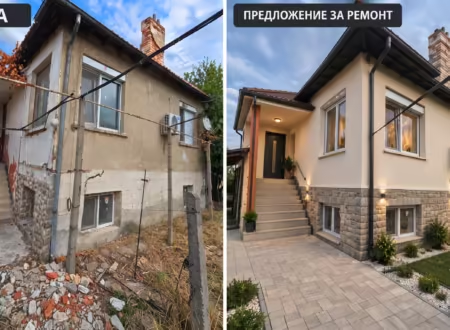
Bright rooms and a renovated kitchen can make a good first impression. However, they tell you nothing about the load-bearing structure, damp, the roof or the building services. With an older house, a technical inspection by a qualified specialist is a sensible expense before you make a final decision.
The foundations and the façade, signs of cracks, the roof structure, the gutters and the insulation all need particular attention. Look at the loft, the basement and the areas around the windows. A damp smell, a single freshly painted wall or uneven floors do not necessarily mean a serious problem, but they are a reason to ask for a professional assessment.
Ask when the electrical wiring, the plumbing, the windows and the heating system were last replaced. In a house, heating has a noticeable effect on monthly costs. A heat pump, a pellet stove, gas, air conditioning and solid fuel each differ in upfront investment, convenience and running costs. The most suitable option depends on the floor area, the insulation, the household’s habits and the available infrastructure.
Do not overlook the layout either. A spacious living room is valuable, but a practical home has enough storage, a convenient utility room and a logical connection between the kitchen, the entrance and the garden. If older people or young children will live in the house, the stairs, door thresholds and the safety of outdoor paving matter just as much.
Documents make the transaction secure
An attractive property should also have a clear paper trail. Before paying a deposit and signing a preliminary contract, the ownership, any encumbrances and whether the documents match the actual state of the property are checked. It is important to establish whether the seller has the right to dispose of the property and whether all owners are taking part in the sale.
The checks cover notary deeds and previous acquisitions, certificates and searches for encumbrances, cadastral data, the tax valuation and documents relating to the construction. Where necessary, the building permits, the permit for use and the status of additional structures such as a garage, a carport, a shed or a summer kitchen should be clarified.
A discrepancy between the floor area in the documents and the space actually in use should not be taken lightly. The same applies to extensions built without the necessary paperwork, unsettled boundaries or access across someone else’s land. Each situation has its own solution, but it must be examined before the transaction, not after the transfer of ownership.
When buying with a mortgage, the checks are usually even more detailed, because the property serves as collateral. An early conversation with a mortgage adviser helps you set a realistic budget and avoid wasting time on properties that do not meet the financing requirements.
Calculate the cost of the home for the first three years
The purchase price is the main cost, but not the only one. It comes with local tax, notary fees, the registration fee, possible bank charges, insurance and professional service fees. After the purchase come furnishing, repairs and ongoing maintenance.
It is wise to set aside a separate reserve, especially if the house is not new. It can cover an unplanned repair to the roof, the fence, a pump, a heating unit or the drainage. Not every old house is a bad buy: it often offers a good location, solid construction and a character that new builds lack. The point is that the price should reflect the improvements that are genuinely needed.
Compare properties by their total estimated cost: purchase price, necessary repairs, transport, heating and time spent on maintenance. This way you avoid the trap of the “cheaper” option that gradually strains your budget more than a well-maintained home with a higher initial price.
A viewing should end with clear questions
Do not rush to a decision at a viewing. Write down what was promised, what you saw and which questions remain unanswered. Ask about the age of the building, the work that has been done, the winter bills, the reason for selling and relations with the neighbours. The answers do not replace a technical and legal check, but they provide important context.
If you like the property, a second viewing is good practice. Go at a different time, measure the important spaces and visit with someone who will live with you or with a specialist. Emotion is a natural part of choosing a home, but the best decisions combine the feeling that “this is our place” with verifiable facts.
A professional agent can organise the process, coordinate communication between the parties and point you towards legal and financial advice suited to your case. At Rhea Real Estate, we believe personal attention has value precisely when it is backed by transparent checks and clear next steps.
A home with a garden can give more room not only to your family, but to your plans. Choose it calmly: with a realistic budget, checked documents and a clear view of the daily life you want to build there.